The socio-economic impact of the Akosombo dam spillage on local communities.

The Akosombo Dam spillage refers to the controlled release of water from the dam, initiated by the Volta River Authority (VRA) to manage rising water levels in the reservoir due to excessive rainfall. The spillage began in October 2023 as a preventive measure against potential dam failure.

As a result, approximately 31,000 people have been displaced from their homes, particularly affecting communities along the Volta River, including Mepe, Battor, and Sogakope. The flooding has caused significant damage to infrastructure and agriculture, leading to humanitarian concerns.

The spillage from the Akosombo Dam was primarily caused by several factors related to excessive rainfall and the management of the dam’s water levels. Here are the main reasons:

Heavy Rainfall:The region experienced significant rainfall over a period of time which increased the water levels in the Volta River and the dam’s reservoir. Another is, Reservoir Management: To prevent potential overtopping of the dam, which could lead to catastrophic failure, the Volta River Authority (VRA) initiated controlled spillage. This is a standard procedure to manage high water levels in dams.Lastly, Seasonal Flooding :The spillage coincided with the rainy season, which typically brings increased water flow into the reservoir.

Impact of Spillage on the local communities and the environment

The Akosombo Dam, while being a crucial source of hydroelectric power for Ghana, has had several environmental impacts since its construction. Here are some of the notable effects:

1. Ecosystem Disruption :The dam has altered the natural flow of the Volta River, affecting aquatic ecosystems. Fish populations and other aquatic life have been impacted due to changes in water levels and flow patterns.

2. Loss of Biodiversity: The flooding of land to create the reservoir submerged vast areas of forests and agricultural land, leading to a loss of biodiversity. Many species that depended on the original habitats have been negatively affected.

3. Sedimentation : The dam traps sediments that would naturally flow downstream, which can lead to reduced soil fertility in areas that rely on river flooding for nutrient replenishment.

4. Water Quality Issues : The stagnant water in the reservoir can lead to reduced oxygen levels, affecting fish and other aquatic organisms. Additionally, the decomposition of submerged vegetation can produce methane, a greenhouse gas.

5. Displacement of Communities : The creation of the reservoir led to the displacement of thousands of people and the loss of their homes and livelihoods, which has long-term socio-economic and environmental implications.


Addressing the spillage problem at the Akosombo Dam requires a multifaceted approach to manage water levels effectively while minimizing the impact on downstream communities and the environment. Here are some potential solutions:

1. Improved Water Management Practices :Implementing advanced forecasting systems for rainfall and river flows can help the Volta River Authority (VRA) manage reservoir levels more effectively and anticipate spillage needs.

2 Infrastructure Upgrades ;Enhancing the dam’s infrastructure, including spillway capacity and flood control measures, can help manage excess water more efficiently and reduce the risk of uncontrolled spillage.

3. Community Engagement : Involving local communities in planning and response efforts can ensure that their needs and concerns are addressed. This includes providing timely information and support during flooding events.

4. Alternative Energy Sources: Investing in alternative renewable energy sources, such as solar and wind, can reduce reliance on hydroelectric power and alleviate pressure on the dam during periods of heavy rainfall.

5 Flood Management Plans: Developing comprehensive flood management and disaster response plans can help prepare communities for potential flooding, including evacuation routes and emergency services.

6. Monitoring and Research: Continuous monitoring of water quality, sedimentation, and ecological health can provide valuable data to inform management practices and improve decision-making.

7. Policy and Regulation: Establishing and enforcing policies regarding land use, river management, and dam operations can help mitigate negative impacts and ensure sustainable practices.

To conclude, the spillage highlights the challenges of managing hydroelectric power generation while addressing environmental impacts and the needs of local communities. Ongoing monitoring and improved water management strategies are essential to mitigate future risks and protect affected populations.These environmental impacts highlight the complex balance between harnessing hydroelectric power and managing ecological and social consequences.

The Rollout of 5G Service in Ghana on November 1, 2024

The anticipated rollout of 5G service in Ghana on November 1, 2024, marks a pivotal moment in the country’s technological evolution. This upgrade in telecommunications infrastructure promises to significantly enhance connectivity, support economic growth, and improve the quality of life for Ghanaians. As the world increasingly embraces digital transformation, the introduction of 5G technology in Ghana aligns with global trends, positioning the nation for a future that prioritizes innovation and accessibility.

Understanding 5G Technology

5G, or fifth-generation wireless technology, represents a leap forward from its predecessors—3G and 4G—offering faster speeds, lower latency, and greater capacity. With potential download speeds exceeding 10 Gbps, 5G can support a multitude of devices simultaneously, making it ideal for densely populated areas and various applications ranging from mobile broadband to industrial automation. Key features of 5G include:

  • Enhanced Mobile Broadband (eMBB): This aspect focuses on providing high-speed internet access, crucial for streaming, gaming, and large data transfers.
  • Ultra-Reliable Low Latency Communications (URLLC): Essential for applications requiring instantaneous response times, such as autonomous vehicles and remote surgery.
  • Massive Machine-Type Communications (mMTC): Facilitates the connection of a vast number of devices, supporting the Internet of Things (IoT) ecosystem.

Economic Implications

The introduction of 5G in Ghana is expected to have far-reaching economic implications. It will enable businesses to leverage advanced technologies, enhance productivity, and create new market opportunities. Industries such as agriculture, healthcare, education, and manufacturing stand to benefit significantly:

  • Agriculture: Smart farming technologies can optimize crop yields and improve supply chain efficiencies through real-time data analytics.
  • Healthcare: Telemedicine and remote monitoring can enhance healthcare delivery, making it more accessible, especially in rural areas.
  • Education: Enhanced connectivity can facilitate online learning platforms, improving educational access and quality.
  • Manufacturing: 5G can support automation and smart manufacturing practices, driving efficiency and innovation.

The Ghanaian government recognizes these potential benefits and aims to create a favorable environment for investment in the tech sector, thus fostering economic growth.

Digital Inclusion and Accessibility

While the rollout of 5G presents numerous opportunities, ensuring that the technology is accessible to all Ghanaians is crucial. Digital inclusion is a primary focus, as disparities in access to technology can exacerbate existing inequalities. To address this, several initiatives may be implemented:

  • Infrastructure Development: Expanding network coverage to rural and underserved areas is essential for maximizing the impact of 5G.
  • Affordability: Strategies to keep data prices reasonable will be necessary to ensure that lower-income populations can benefit from the new technology.
  • Public Awareness and Education: Informing citizens about the benefits and uses of 5G will encourage adoption and facilitate a smoother transition.

Regulatory Framework and Collaboration

The successful rollout of 5G in Ghana will require effective regulatory frameworks and collaboration between government, telecommunications companies, and other stakeholders. The National Communications Authority (NCA) plays a critical role in overseeing this process, ensuring that the deployment adheres to safety and quality standards.

Partnerships with global technology firms can also provide Ghana with access to the necessary expertise and resources. Collaborations can lead to knowledge transfer, enabling local companies to build capacity and innovate within the telecommunications sector.

Challenges Ahead

Despite the excitement surrounding the rollout, several challenges must be addressed:

  • Infrastructure Costs: Building the necessary infrastructure for 5G is capital-intensive. Investment from both public and private sectors will be vital.
  • Cybersecurity Risks: The increased connectivity and data flow associated with 5G can create vulnerabilities. Ensuring robust cybersecurity measures is crucial to protect users and maintain trust in the technology.
  • Regulatory Hurdles: Streamlining regulations to accommodate the rapid deployment of 5G while safeguarding public interests will be a delicate balancing act.

Conclusion

The rollout of 5G service in Ghana on November 1, 2024, is more than just a technological upgrade; it represents a transformative step towards a digital future. By enhancing connectivity, fostering economic growth, and promoting digital inclusion, 5G has the potential to significantly impact various sectors within the Ghanaian economy. While challenges remain, the collaborative efforts of government, industry, and civil society can pave the way for a successful implementation. As Ghana embraces this new frontier, it stands poised to harness the power of 5G, ultimately improving the quality of life for its citizens and positioning itself as a leader in the digital age.

Exploring the Role of Technology in Transforming Agriculture in Ghana

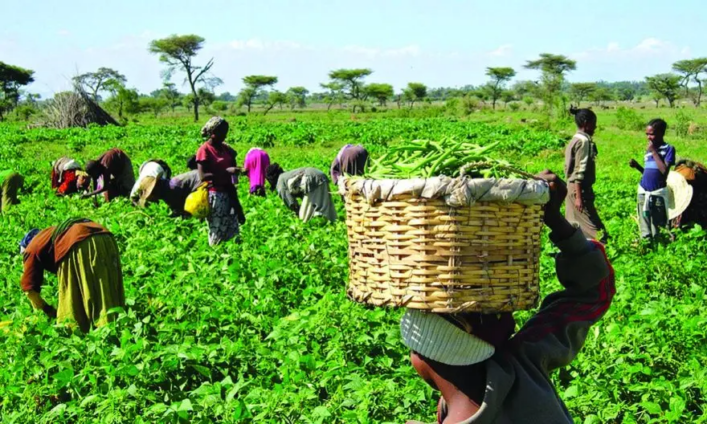
Agriculture remains a cornerstone and backbone of Ghana’s economy, employing a significant portion of the population and contributing substantially to Gross Domestic Product (GDP). GDP represents the total monetary value of all goods and services produced within a country’s borders in a specific time period, typically measured annually or quarterly. It is a key indicator used to assess the economic health of a nation. However, traditional farming methods often limit productivity and sustainability. The integration of technology into agriculture presents transformative opportunities to enhance efficiency, productivity, and food security.

Key Technologies Transforming Agriculture

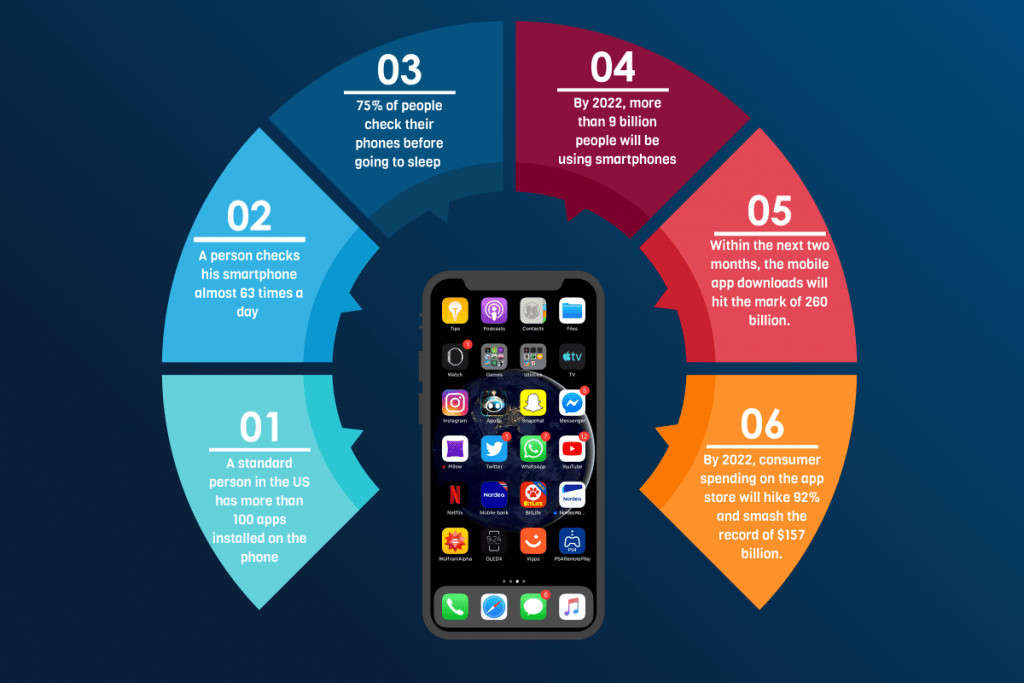
Mobile Technology and Apps: Information Dissemination Mobile apps provide farmers with timely information on weather forecasts, pest control, and market prices. This empowers them to make informed decisions.

Market Access: Platforms like Esoko connect farmers directly to buyers, reducing intermediaries and increasing profit margins

Precision Agriculture

Data Analytics: Technologies such as GPS and drones allow for precision farming, enabling farmers to monitor crop health, soil conditions, and resource usage more effectively

Resource Optimization: This approach helps in optimizing water usage and fertilizer application, leading to cost savings and higher yields.

Irrigation Technologies

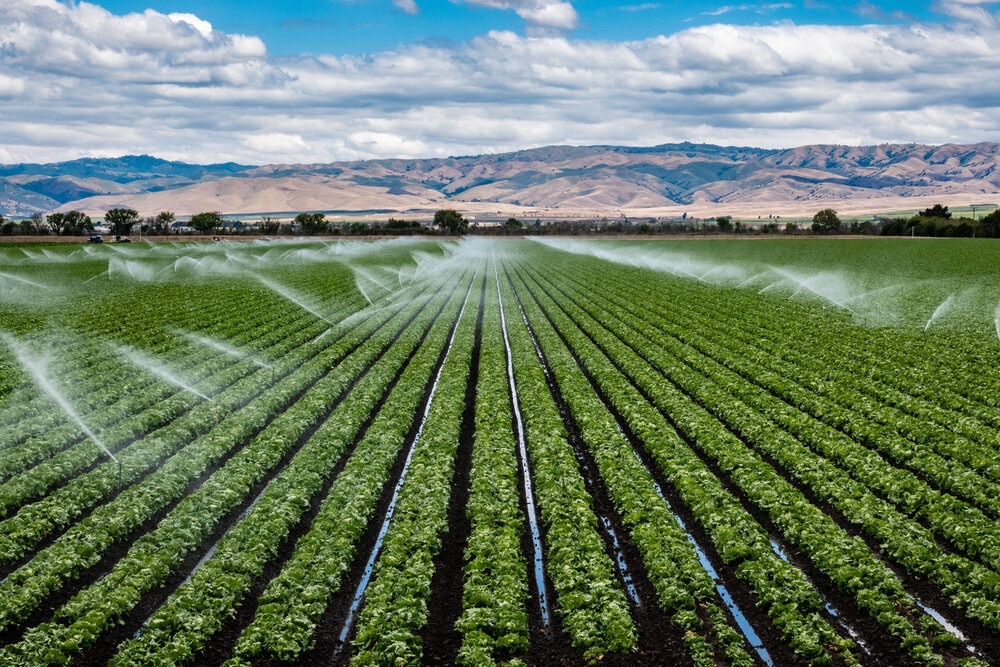
Drip and Sprinkler Systems: Modern irrigation systems are essential for enhancing water use efficiency, especially in areas vulnerable to drought. These systems help maintain consistent crop growth and reduce water waste.

Biotechnology

Genetically Modified Organisms (GMOs): The development of drought-resistant and pest-resistant crops has the potential to increase yields and ensure food security amid climate change challenges.

Biofortification: Enhancing the nutritional content of staple crops addresses malnutrition while improving agricultural productivity

E-commerce and Supply Chain Innovations

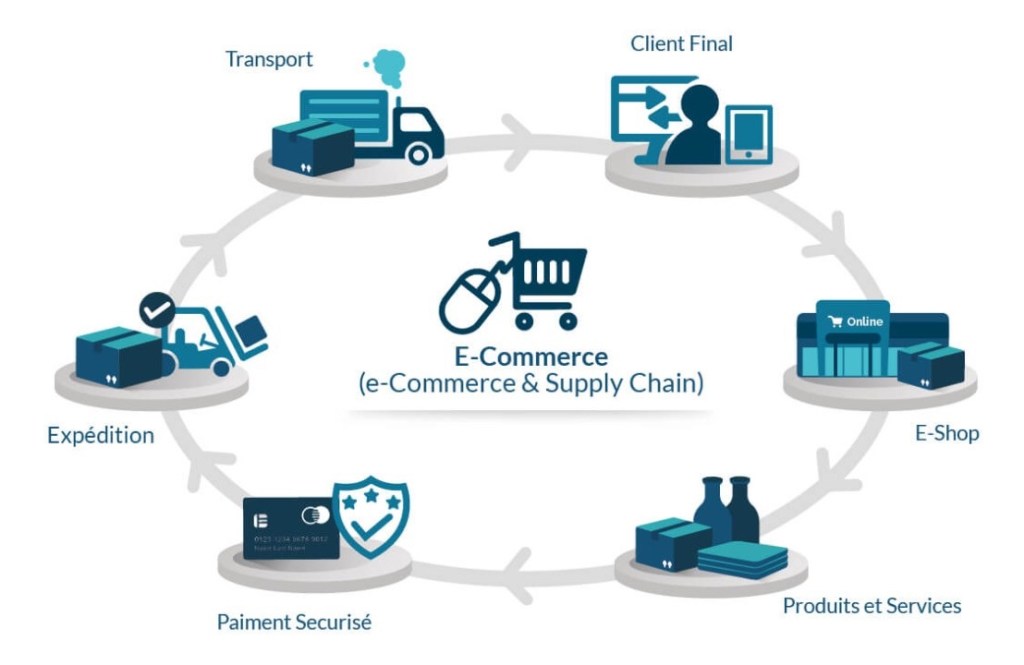
Online Marketplaces: Platforms like Farmerline facilitate the sale of agricultural products, enabling farmers to reach broader markets and improve income stability.

Supply Chain Management: Technology streamlines logistics, ensuring timely delivery of inputs and products, which is vital for maintaining quality and freshness.

Benefits of Technological Integration

  • Increased Productivity: Enhanced farming practices lead to higher yields and more efficient resource use.
  • Economic Growth: By improving the agricultural sector, technology contributes to broader economic growth and poverty alleviation.
  • Food Security: Technology helps ensure a stable food supply, essential for the growing population and urbanization.
  • Sustainability: Technological advancements promote sustainable practices, such as reduced pesticide use and improved soil management.

Government and Institutional Support

The Ghanaian government, alongside NGOs and international organizations, plays a crucial role in promoting agricultural technology. Initiatives include:

  • Investment in Research and Development: Supporting agricultural research institutions to innovate and adapt technology to local needs.
  • Subsidies and Financial Support: Providing subsidies for technology adoption and access to credit facilities for farmers.
  • Training Programs: Implementing capacity-building programs to educate farmers about modern agricultural practices and technologies.

Conclusion

The integration of technology in Ghanaian agriculture offers a pathway to enhanced productivity, economic growth, and sustainability. While challenges remain, targeted support from the government and stakeholders can facilitate the widespread adoption of these technologies, ultimately transforming the agricultural landscape and improving the livelihoods of farmers across the country.

The Impact of the Ghanaian Government’s Recent Economic Policies on Local Businesses

The government of Ghana operates as a constitutional democracy with a multi-party system. The arm of government is divided into three which is the executive, legislative, and judiciary branches. The President, elected for a four-year term, leads the executive branch, while the Parliament consists of representatives elected from various constituencies.Ghana’s economy is diverse, heavily reliant on agriculture, mining (particularly gold), and increasingly, services and manufacturing. The country has seen significant economic growth over the past two decades, bolstered by natural resources and foreign investment. However, challenges such as inflation, currency depreciation, unemployment and infrastructural deficits persist.

Impact of Recent Economic Policies on Local Businesses

In recent years, the Ghanaian government has implemented various economic policies aimed at stabilizing the economy and promoting local businesses. Key initiatives include:

Support for SMEs: The government has introduced financial schemes and grants to support small and medium-sized enterprises (SMEs), which are crucial for job creation.Tax Incentives: Policies aimed at reducing tax burdens on local businesses have been enacted to stimulate investment and growth. Industrialization Agenda: Initiatives like the “Planting for Food and Jobs” program encourage agricultural productivity, while industrial policies aim to boost manufacturing. Investment in Infrastructure: Improving transportation and energy infrastructure aims to enhance business operations and attract foreign investment.

Key sectors of the Ghanaian economy

1. Agriculture

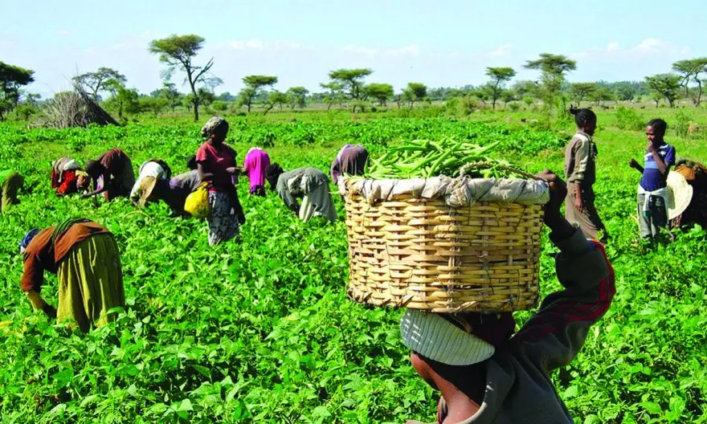
Agriculture is a vital sector in Ghana, employing a large portion of the population and contributing significantly to the country’s GDP. Key aspects include:

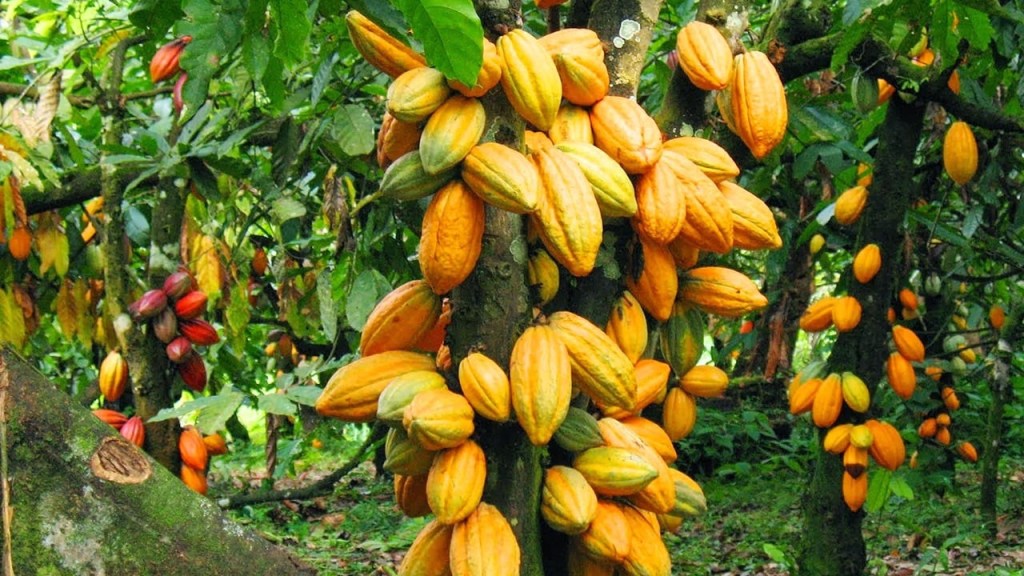
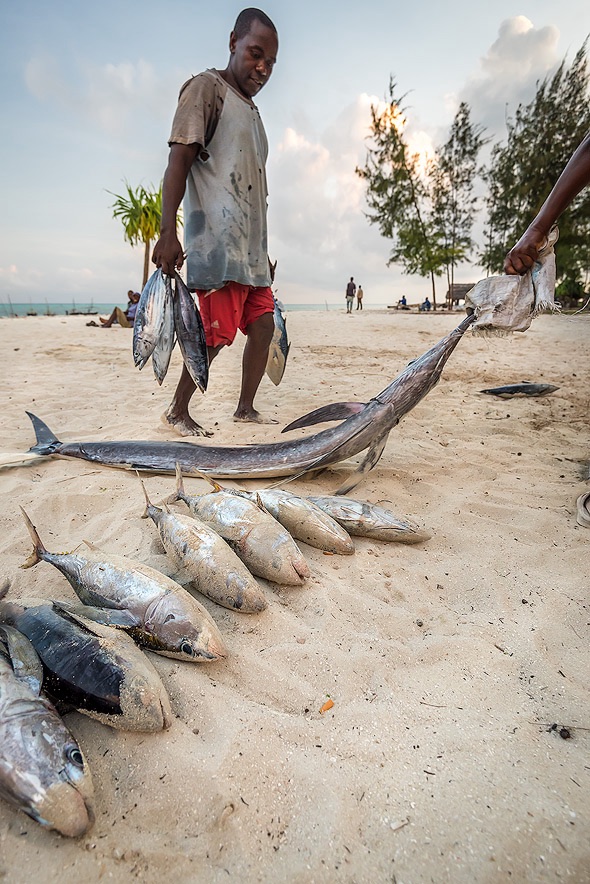
– Cocoa Production: Ghana is one of the world’s largest cocoa producers, and it is a major export product. The cocoa industry supports millions of farmers and is critical for foreign exchange earnings.Food Crops: Other important crops include yams, cassava, maize, and plantains. These crops are essential for domestic consumption and food security.Livestock and Fisheries: While less prominent than crop production, livestock farming and fishery activities also contribute to the agricultural sector.

Mining and Minerals

Ghana is renowned for its mineral wealth, particularly in gold, making it one of the top gold producers in Africa. Key points include:

Gold Mining: The gold sector is vital for the economy, providing employment and contributing significantly to government revenue through taxes and royalties.Oil and Gas: The discovery of oil in commercial quantities in 2007 has transformed the energy landscape, with oil production contributing to the national economy and attracting foreign investments.Other Minerals: Ghana also produces bauxite, manganese, and diamonds, which contribute to the mining sector’s diversity.

Services

The services sector encompasses various industries, and it has been growing rapidly in recent years. Important components include:

Telecommunications :The telecom sector has seen exponential growth, driven by increasing mobile phone usage and internet penetration. Major companies provide voice and data services.Tourism: Ghana is known for its rich cultural heritage, historical sites, and natural beauty, attracting tourists from around the world. Eco-tourism and cultural tourism are significant segments.Financial Services: The banking and financial services sector has expanded, with increased access to banking, microfinance, and insurance services.

Manufacturing

The manufacturing sector in Ghana is diverse but still developing. Key elements include:

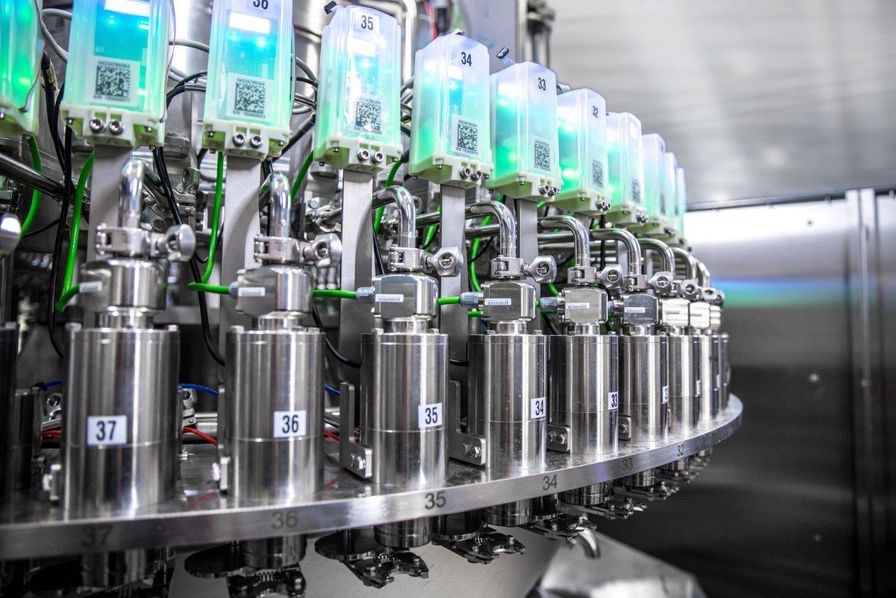
Food and Beverage Processing: This includes the processing of agricultural products, such as cocoa, fruit juices, and packaged foods.

Textiles and Garments: The textile industry has a rich history, and there are efforts to revitalize local production to reduce reliance on imports.

Construction Materials: The demand for cement and other construction materials has risen due to urbanization and infrastructure development projects.

In summary, the Ghanaian government’s recent economic policies aim to bolster local businesses, which can have substantial benefits for the populace, including job creation, enhanced access to services, and a more resilient economy.These sectors collectively contribute to the overall economic growth of Ghana, with ongoing initiatives aimed at enhancing productivity, sustainability, and competitiveness.

Create your own website, free on WordPress.com.Create your own website.
Start free