The Akosombo Dam spillage refers to the controlled release of water from the dam, initiated by the Volta River Authority (VRA) to manage rising water levels in the reservoir due to excessive rainfall. The spillage began in October 2023 as a preventive measure against potential dam failure.
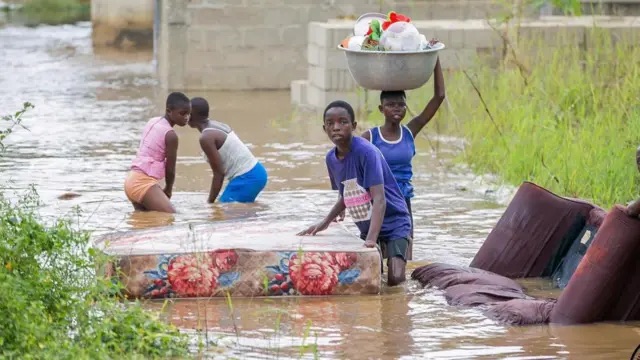
As a result, approximately 31,000 people have been displaced from their homes, particularly affecting communities along the Volta River, including Mepe, Battor, and Sogakope. The flooding has caused significant damage to infrastructure and agriculture, leading to humanitarian concerns.

The spillage from the Akosombo Dam was primarily caused by several factors related to excessive rainfall and the management of the dam’s water levels. Here are the main reasons:
Heavy Rainfall:The region experienced significant rainfall over a period of time which increased the water levels in the Volta River and the dam’s reservoir. Another is, Reservoir Management: To prevent potential overtopping of the dam, which could lead to catastrophic failure, the Volta River Authority (VRA) initiated controlled spillage. This is a standard procedure to manage high water levels in dams.Lastly, Seasonal Flooding :The spillage coincided with the rainy season, which typically brings increased water flow into the reservoir.
Impact of Spillage on the local communities and the environment
The Akosombo Dam, while being a crucial source of hydroelectric power for Ghana, has had several environmental impacts since its construction. Here are some of the notable effects:
1. Ecosystem Disruption :The dam has altered the natural flow of the Volta River, affecting aquatic ecosystems. Fish populations and other aquatic life have been impacted due to changes in water levels and flow patterns.
2. Loss of Biodiversity: The flooding of land to create the reservoir submerged vast areas of forests and agricultural land, leading to a loss of biodiversity. Many species that depended on the original habitats have been negatively affected.
3. Sedimentation : The dam traps sediments that would naturally flow downstream, which can lead to reduced soil fertility in areas that rely on river flooding for nutrient replenishment.
4. Water Quality Issues : The stagnant water in the reservoir can lead to reduced oxygen levels, affecting fish and other aquatic organisms. Additionally, the decomposition of submerged vegetation can produce methane, a greenhouse gas.
5. Displacement of Communities : The creation of the reservoir led to the displacement of thousands of people and the loss of their homes and livelihoods, which has long-term socio-economic and environmental implications.

Addressing the spillage problem at the Akosombo Dam requires a multifaceted approach to manage water levels effectively while minimizing the impact on downstream communities and the environment. Here are some potential solutions:
1. Improved Water Management Practices :Implementing advanced forecasting systems for rainfall and river flows can help the Volta River Authority (VRA) manage reservoir levels more effectively and anticipate spillage needs.
2 Infrastructure Upgrades ;Enhancing the dam’s infrastructure, including spillway capacity and flood control measures, can help manage excess water more efficiently and reduce the risk of uncontrolled spillage.
3. Community Engagement : Involving local communities in planning and response efforts can ensure that their needs and concerns are addressed. This includes providing timely information and support during flooding events.
4. Alternative Energy Sources: Investing in alternative renewable energy sources, such as solar and wind, can reduce reliance on hydroelectric power and alleviate pressure on the dam during periods of heavy rainfall.
5 Flood Management Plans: Developing comprehensive flood management and disaster response plans can help prepare communities for potential flooding, including evacuation routes and emergency services.
6. Monitoring and Research: Continuous monitoring of water quality, sedimentation, and ecological health can provide valuable data to inform management practices and improve decision-making.
7. Policy and Regulation: Establishing and enforcing policies regarding land use, river management, and dam operations can help mitigate negative impacts and ensure sustainable practices.
To conclude, the spillage highlights the challenges of managing hydroelectric power generation while addressing environmental impacts and the needs of local communities. Ongoing monitoring and improved water management strategies are essential to mitigate future risks and protect affected populations.These environmental impacts highlight the complex balance between harnessing hydroelectric power and managing ecological and social consequences.
 New Media and Public Relations