
The government of Ghana operates as a constitutional democracy with a multi-party system. The arm of government is divided into three which is the executive, legislative, and judiciary branches. The President, elected for a four-year term, leads the executive branch, while the Parliament consists of representatives elected from various constituencies.Ghana’s economy is diverse, heavily reliant on agriculture, mining (particularly gold), and increasingly, services and manufacturing. The country has seen significant economic growth over the past two decades, bolstered by natural resources and foreign investment. However, challenges such as inflation, currency depreciation, unemployment and infrastructural deficits persist.

Impact of Recent Economic Policies on Local Businesses
In recent years, the Ghanaian government has implemented various economic policies aimed at stabilizing the economy and promoting local businesses. Key initiatives include:
Support for SMEs: The government has introduced financial schemes and grants to support small and medium-sized enterprises (SMEs), which are crucial for job creation.Tax Incentives: Policies aimed at reducing tax burdens on local businesses have been enacted to stimulate investment and growth. Industrialization Agenda: Initiatives like the “Planting for Food and Jobs” program encourage agricultural productivity, while industrial policies aim to boost manufacturing. Investment in Infrastructure: Improving transportation and energy infrastructure aims to enhance business operations and attract foreign investment.
Key sectors of the Ghanaian economy
1. Agriculture
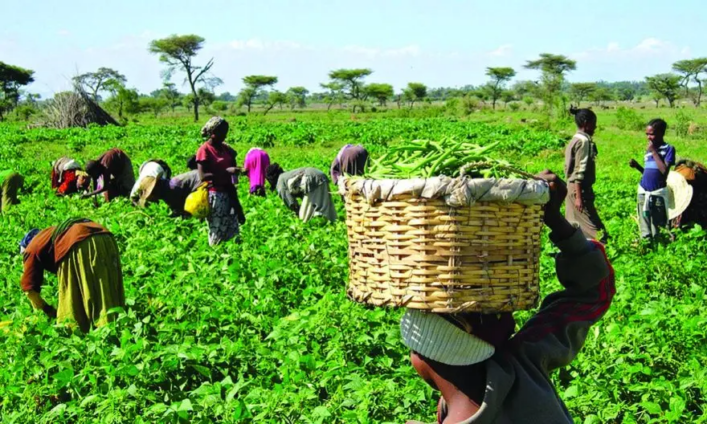
Agriculture is a vital sector in Ghana, employing a large portion of the population and contributing significantly to the country’s GDP. Key aspects include:
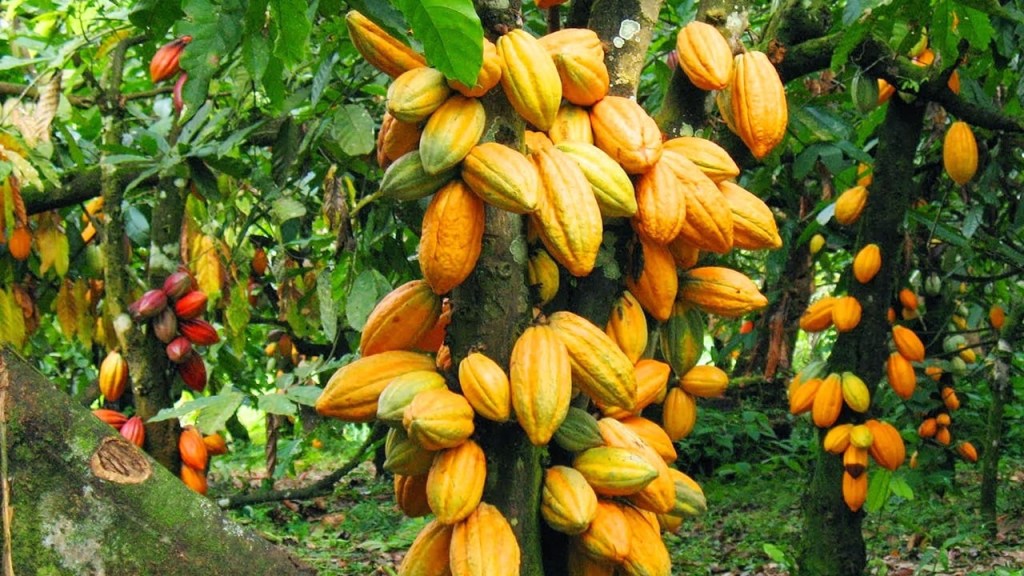
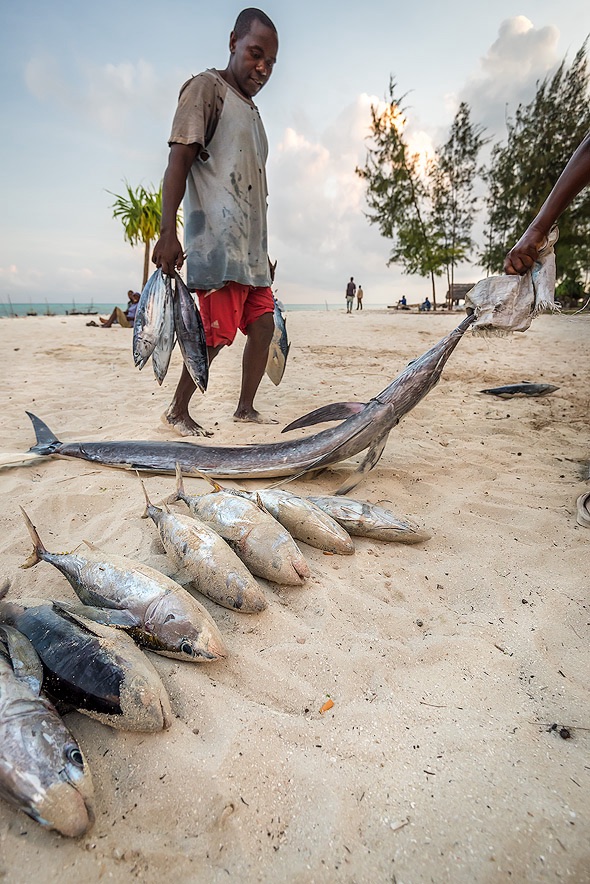
– Cocoa Production: Ghana is one of the world’s largest cocoa producers, and it is a major export product. The cocoa industry supports millions of farmers and is critical for foreign exchange earnings.Food Crops: Other important crops include yams, cassava, maize, and plantains. These crops are essential for domestic consumption and food security.Livestock and Fisheries: While less prominent than crop production, livestock farming and fishery activities also contribute to the agricultural sector.
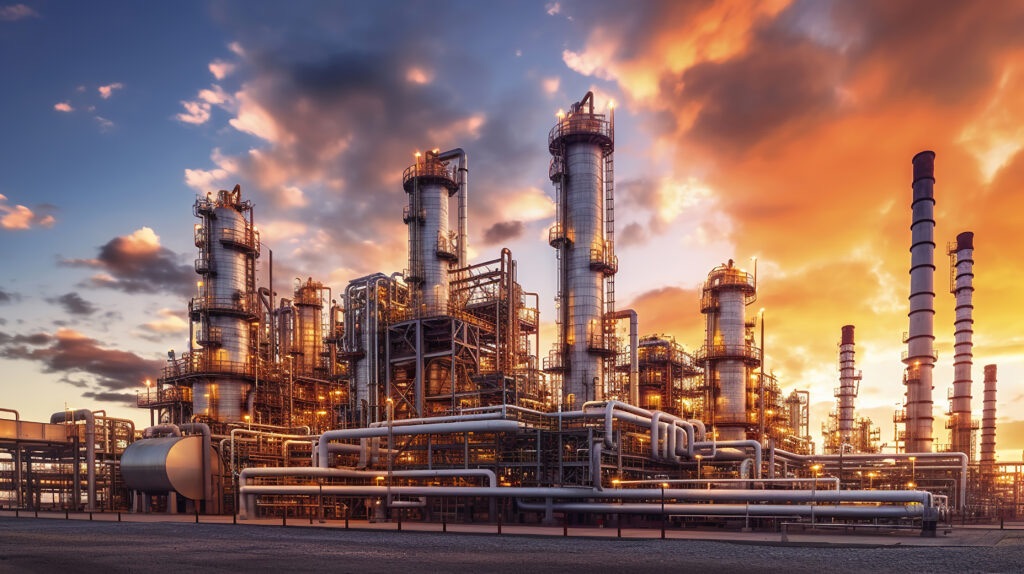
Mining and Minerals
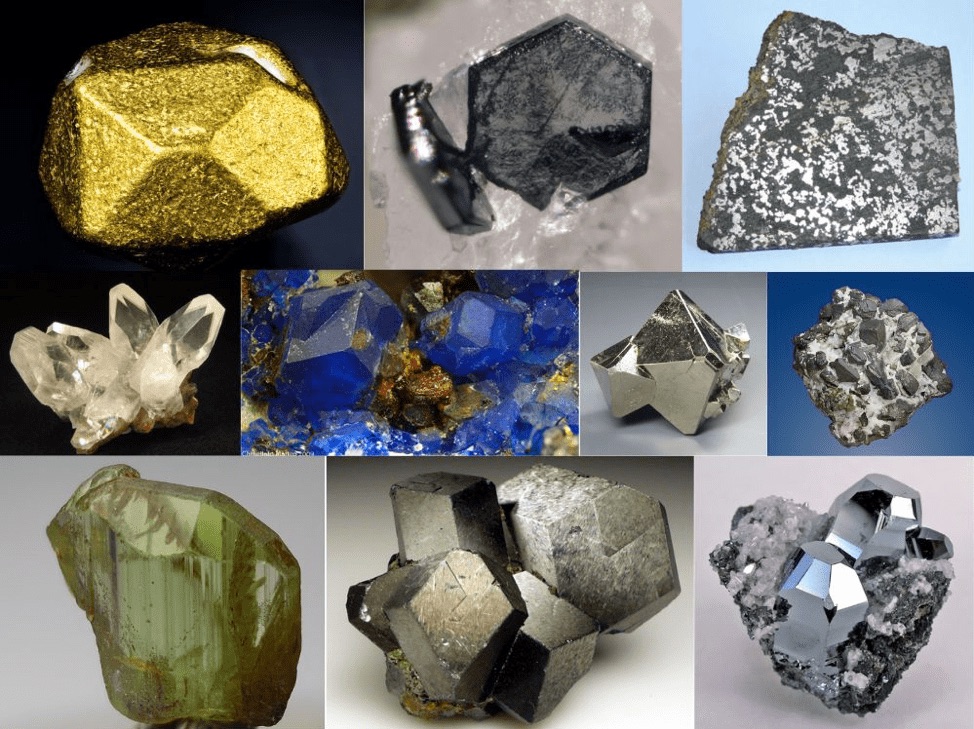
Ghana is renowned for its mineral wealth, particularly in gold, making it one of the top gold producers in Africa. Key points include:
Gold Mining: The gold sector is vital for the economy, providing employment and contributing significantly to government revenue through taxes and royalties.Oil and Gas: The discovery of oil in commercial quantities in 2007 has transformed the energy landscape, with oil production contributing to the national economy and attracting foreign investments.Other Minerals: Ghana also produces bauxite, manganese, and diamonds, which contribute to the mining sector’s diversity.
Services
The services sector encompasses various industries, and it has been growing rapidly in recent years. Important components include:
Telecommunications :The telecom sector has seen exponential growth, driven by increasing mobile phone usage and internet penetration. Major companies provide voice and data services.Tourism: Ghana is known for its rich cultural heritage, historical sites, and natural beauty, attracting tourists from around the world. Eco-tourism and cultural tourism are significant segments.Financial Services: The banking and financial services sector has expanded, with increased access to banking, microfinance, and insurance services.


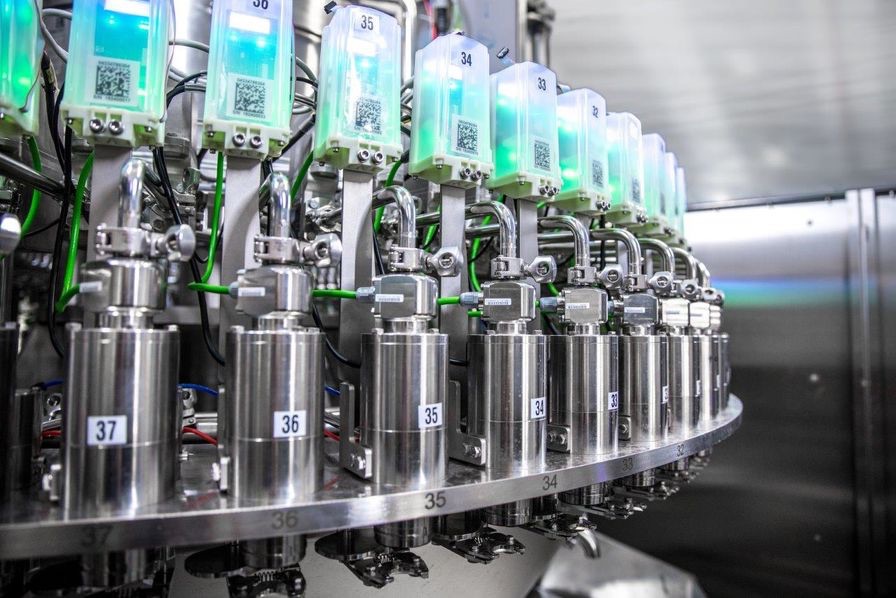
Manufacturing
The manufacturing sector in Ghana is diverse but still developing. Key elements include:
Food and Beverage Processing: This includes the processing of agricultural products, such as cocoa, fruit juices, and packaged foods.
Textiles and Garments: The textile industry has a rich history, and there are efforts to revitalize local production to reduce reliance on imports.
Construction Materials: The demand for cement and other construction materials has risen due to urbanization and infrastructure development projects.

In summary, the Ghanaian government’s recent economic policies aim to bolster local businesses, which can have substantial benefits for the populace, including job creation, enhanced access to services, and a more resilient economy.These sectors collectively contribute to the overall economic growth of Ghana, with ongoing initiatives aimed at enhancing productivity, sustainability, and competitiveness.
 New Media and Public Relations